
WeBox Reaches $40 Million Annualized Sales Run Rate and Achieves Quarterly EBITDA Profitability
Author: Forest Liu · September 5, 2026
WeBox has reached a $40 million annualized sales run rate in 2026 and achieved quarterly EBITDA profitability, marking an important milestone in the company’s evolution into a scalable workplace commerce platform.
Over the past 12 months, WeBox has grown sales by more than 100%, expanded its customer base to more than 500 companies, maintained quarterly customer retention above 95%, and now delivers approximately 10,000 meals per day across the Bay Area.
The milestone reflects WeBox’s continued evolution from a capital-intensive food operations business into a technology-enabled workplace commerce platform powered by technology, fulfillment infrastructure, and supplier partnerships.
Building a More Scalable Model for Workplace Commerce
Founded in 2018, WeBox began with centralized kitchen operations before evolving toward a more flexible and scalable model that combines technology, fulfillment infrastructure, and supplier partnerships.
Today, WeBox brings together workplace meals, office pantry programs, event catering and other workplace services through a centralized platform.
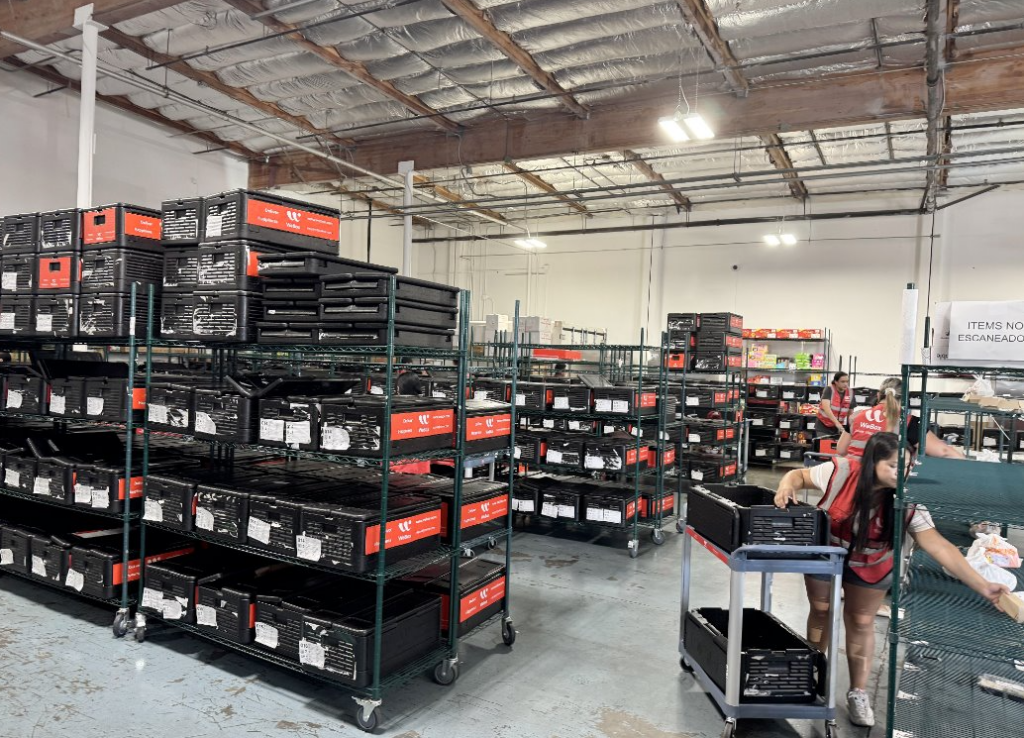
Webox box meal transshipment hub
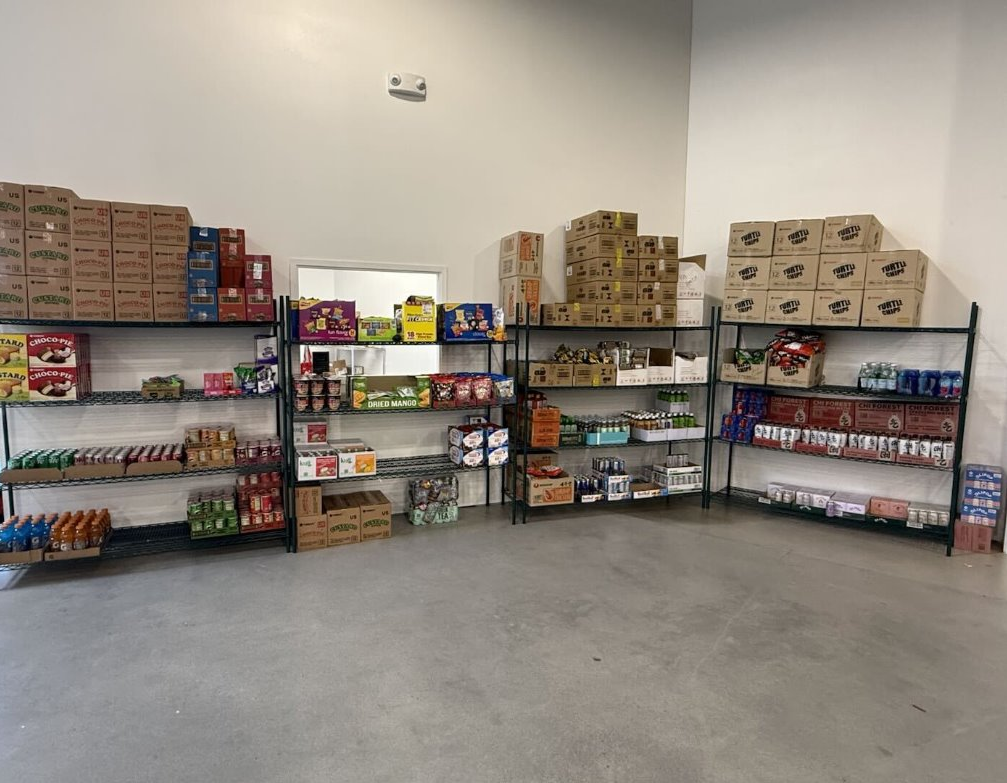
Webox office pantry warehouse corner
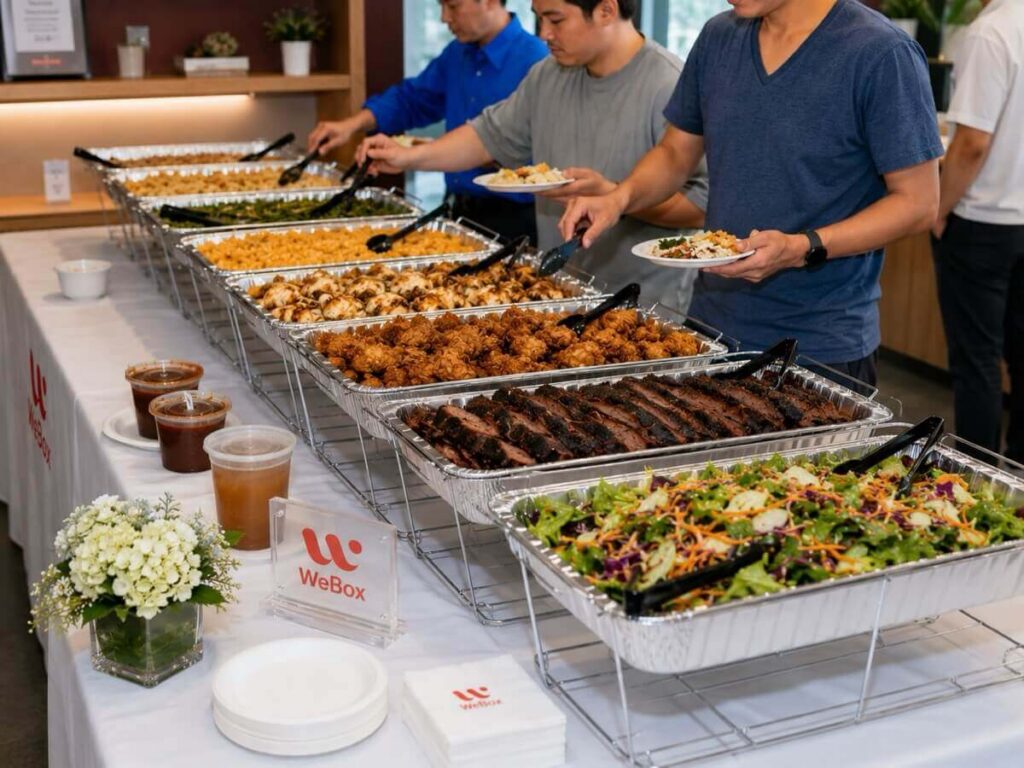
Webox event catering service
“We realized the future of workplace commerce would be defined by creating a flexible platform that brings together technology, partners and logistics to deliver a better customer experience,” said Fred Ming, founder and CEO of WeBox.

Founder and CEO of WeBox: Fred
This approach allows WeBox to expand the range of workplace services it can provide while maintaining a flexible operating model that can adapt to the needs of different companies.
Supporting the Future of Work
As companies continue to adapt to hybrid and evolving workplace environments, workplace needs are becoming less predictable.
Employee attendance can vary from day to day, while companies increasingly need flexible ways to manage meals, office supplies, events, and other recurring workplace services.
WeBox provides a unified platform for corporate meals, office pantry programs, and event catering through one centralized experience.
The platform supports thousands of workplace service options, helping companies simplify ordering, budgets, and recurring workplace needs.
Expanding Beyond Meals Into Workplace Commerce
WeBox is continuing to expand beyond workplace meals into pantry products, equipment, supplies, and other recurring workplace needs.
The company’s broader vision is to become the operating infrastructure that helps modern workplaces improve employee experiences while reducing operational complexity.
“We are not building another food delivery service,” said Ming. “We are building the commerce infrastructure that workplaces need as work evolves.”
Today, WeBox serves more than 500 corporate customers across the Bay Area and delivers approximately 10,000 meals per day.
What This Milestone Means
Reaching a $40 million annualized sales run rate and quarterly EBITDA profitability represents an important step in WeBox’s evolution.
More importantly, it validates the company’s broader approach to workplace commerce: combining technology, supplier partnerships, and fulfillment infrastructure to give businesses a more flexible way to manage the services they provide to their employees.
As WeBox continues expanding its platform, the company is focused on building the infrastructure that modern workplaces need—not simply delivering food, but making workplace commerce simpler, more flexible, and more scalable.
Interested in bringing WeBox to your workplace?
See how WeBox can simplify meals, pantry programs, and event catering
for your team.
About WeBox
WeBox is a workplace commerce platform that helps companies manage meals, office pantry programs, event catering, and workplace services through one centralized experience.
Founded in 2018, WeBox combines technology, fulfillment infrastructure, and supplier partnerships to help organizations improve employee experiences while reducing operational complexity.